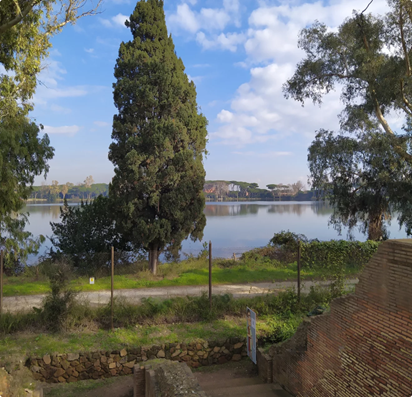




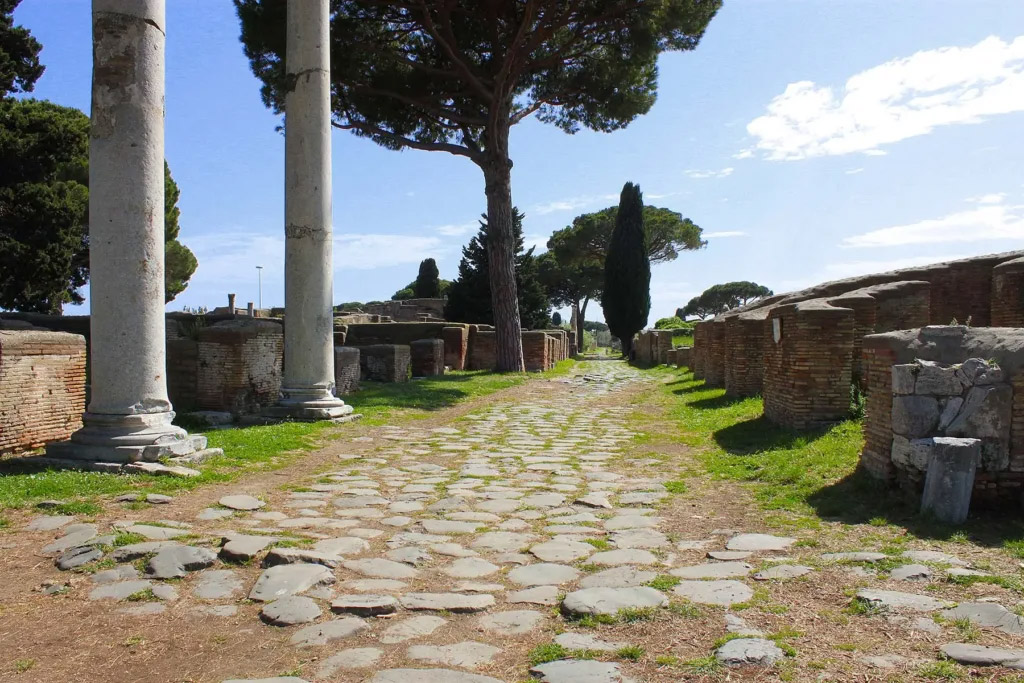
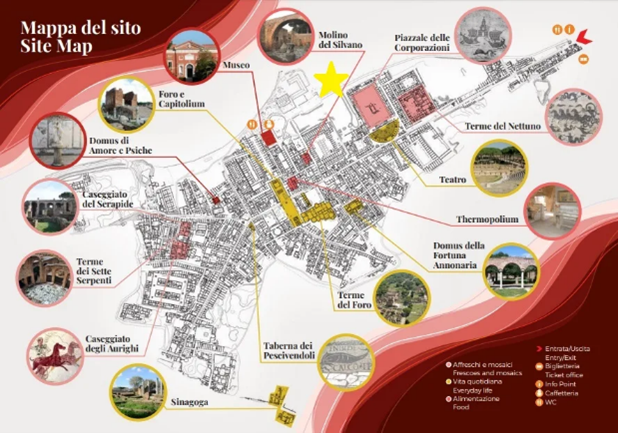
Ostia Antica is one of the most fascinating and best-preserved archaeological sites in Italy. Located just outside Rome, it was once the ancient port of the capital of the Roman Empire and for centuries served as an important commercial and cultural centre.
Walking along its ancient paved streets, visitors can admire the remains of temples, baths, houses, shops and the evocative Roman theatre, all testimony to a vibrant and cosmopolitan city. Thanks to its exceptional state of preservation, Ostia Antica offers a unique experience, allowing visitors to immerse themselves in the everyday life of ancient Rome.
A place rich in history, art and archaeology, ideal for those who wish to discover the past through an authentic open-air museum.
Opening Days & Hours
Open to the public Tuesday to Sunday and on public holidays.
Opening time: 8:30 AM
Closing time:
1 October – 24 October: 6:30 PM
25 October – 28/29 February: 4:30 PM
1 March – 31 March: 5:15 PM
1 April – 30 September: 7:00 PM
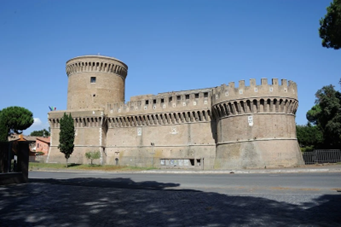
Castello di Giulio II & The Medieval Village of Ostia Antica
Along Via dei Romagnoli, opposite the archaeological site, lies the Renaissance village of Ostia Antica, with medieval origins.
Since Late Antiquity (4th–5th century AD), the area was home to the necropolis of Ostia’s Christian community, established where tradition places the tombs of several martyrs. Among them was Saint Aurea, a noble young woman who was persecuted during the reign of Emperor Claudius Gothicus (268–270 AD). A first cemetery basilica was later built in her honour and restored in the 8th century.
Opening Hours
1 November – 28/29 February: 10:30 AM – 4:30 PM
Last admission: 4:00 PM1 March – 15 June: 10:30 AM – 7:30 PM
Last admission: 7:00 PM16 June – 31 October: 1:30 PM – 7:30 PM
Last admission: 7:00 PM
The site is closed on Mondays, 25 December and 1 January.
Archaeological Site of the Imperial Ports of Claudius & Trajan
Visiting the Imperial Ports of Claudius and Trajan means discovering the beating heart of ancient Rome’s commercial activity, a place where the sea and history intertwine in a story of power, ingenuity and grandeur.
The site bears witness to the vision and ambition of the emperors who helped shape the destiny of the Roman Empire.no dell’Impero.